Home
Home

Key Takeaways
- Payroll preparation becomes more reliable when leave, claims, attendance, and employee records are kept aligned.
- Clear status tracking helps HR distinguish between submitted, approved, scheduled, and processed updates.
- Connected records reduce conflicting versions and support earlier exception checks before payroll cut-off.
- Shared records support calmer, more manageable HR operations for SMEs.
Introduction
Payroll, leave, claims, and attendance are often treated as separate HR tasks, but the records behind them affect one another closely. Unpaid leave may change salary calculations, attendance records may affect overtime, and an approved claim may determine reimbursement timing. When leave approval does not reach payroll, or a manager approves a claim before HR processes it, information gaps appear. For Singapore SMEs, these gaps can delay month-end payroll. An integrated HR system brings related employee records into one workflow, supporting accurate automated payroll and reducing time spent checking separate files.
Why Payroll, Leave, Claims, and Attendance Should Not Work Separately
Payroll depends on employee information, attendance hours, approved leave, overtime, deductions, and reimbursements. Although different people may manage these records, each may supply information needed for payroll review. A leave change, attendance exception, or approved reimbursement can therefore affect what HR needs to check before salaries are processed. An integrated HR system allows approved updates to reach related records, while HR retains responsibility for reviewing unusual cases and applying company policies.
How Disconnected HR Records Create Duplicate Checking
Disconnected records can cause the same employee update to appear differently across several places. Leave may be approved in one platform while attendance still shows an absence and payroll contains no adjustment. A claim may appear approved to a manager but remain pending with HR or finance. Better HR data integration helps teams identify the current status without tracing spreadsheets, email threads, and separate approval trails. It also avoids asking employees or managers to reconfirm submitted information.
How Integrated HR Data Reduces Mismatches Before Payroll Processing
Payroll is easier to review when the supporting information is aligned. Approved leave can be matched to the correct payroll period, attendance exceptions identified before cut-off, and claims checked against their reimbursement status. An integrated HR system gives HR teams a more reliable set of records before payroll processing begins. This creates a clearer payroll data flow, as authorised information moves into the relevant process without repeated entry. HR still reviews unusual records, incomplete documentation, policy exceptions, and late submissions.
Why Leave Data Needs to Connect With Payroll and Attendance
Leave records affect manpower planning and, in some cases, pay. HR must distinguish an unexplained absence from annual leave, medical leave, unpaid leave, time off, or another approved arrangement. When an employee submits unpaid leave and a manager approves it, attendance should reflect the authorised absence before payroll reviews the adjustment. A connected leave management system helps HR check approved dates and leave types against attendance records, missing clock-ins, shift changes, and payroll cut-off dates.
Why Claims Data Should Not Sit Outside the HR System
Claims move through submission, document review, approval, reimbursement, and reporting. An approved claim is not always a processed claim, especially when documents are incomplete or the submission arrives after payroll cut-off. An expense claim system within the employee workflow makes each stage easier to track. OpensoftHR’s E-Claim product supports submissions, approvals, reimbursements, and reporting. This helps prevent a claim from appearing complete in one record while it is still awaiting action elsewhere.
How Attendance Data Supports Clearer Payroll and Workforce Visibility
Attendance data is an important payroll input for employees who work shifts, clock in and out, perform overtime, or have attendance exceptions. When records remain separate, HR may need to interpret hours, investigate missing clock-ins, and confirm adjustments before payroll can be finalised. With connected HR data, attendance details can be reviewed alongside leave and payroll information, allowing exceptions to be resolved before cut-off. Management can also examine lateness, overtime patterns, and manpower gaps when planning schedules or reviewing workload.
How One HR System Improves Visibility for HR and Management
An integrated HR system gives HR and management access to shared employee records without requiring searches across separate platforms. Managers can follow leave and claim statuses, HR can trace how approved changes affect payroll, and employees receive consistent updates on submissions and reimbursements. For SMEs, this supports a calmer and more manageable month-end process.
What SMEs Should Look for in an Integrated HR System
A practical platform should connect payroll, leave, claims, attendance, employee records, and self-service rather than place separate tools behind one login. SMEs should assess how information moves between functions and whether the system can be used securely and consistently.
Integration, Reporting, and Process Visibility
The first consideration is whether HR teams can follow each process from submission to completion.
SMEs should check whether approved leave, attendance adjustments, claims, and employee updates reach the relevant records without re-entry. Exceptions should be flagged, approval histories should remain traceable, and reports should be detailed enough for payroll checking and management review. Clear cut-off rules also matter because valid late changes may need to be processed in the next payroll cycle.
Security, Usability, and Implementation Support
The next consideration is whether the platform can be adopted securely and used consistently.
Employee and payroll data must be handled carefully. At the same time, the chosen HRMS should remain straightforward for HR, managers, and employees. OpensoftHR’s in-house team can provide continuity during onboarding, configuration, and after-sales support. Proper setup matters because policies, approval routes, access rights, and payroll rules must be configured correctly from the start.
Conclusion: Managing Connected HR Data With More Clarity
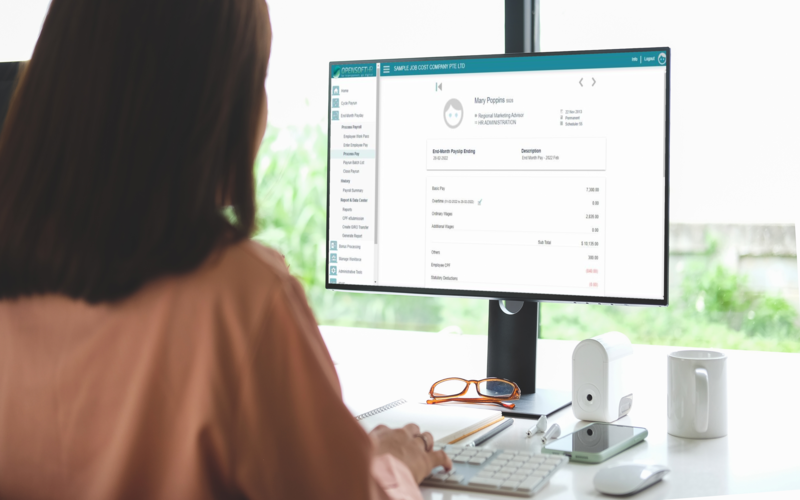 When payroll, leave, claims, and attendance handoffs are easier to follow, HR can focus on exceptions that require judgement instead of rebuilding records before each payroll run. OpensoftHR brings these processes together within one HRMS platform for Singapore businesses, supporting a calmer, smarter, and simpler approach to daily administration. Request our demo to learn how a more connected setup can simplify payroll preparation, approval workflows, and day-to-day HR administration for your business.