Home
Home

Key Takeaways
- Watch for repeated follow-ups. Repeated reminders for routine updates mean HR is spending too much time coordinating information manually.
- Check the records. Scattered employee information makes payroll, approvals and reporting harder to verify.
- Reduce repeated cross-checking. Leave, attendance, and claims should not need to be cross-checked manually every cycle.
- Give people visibility. Managers and employees need timely information without relying on HR for every answer.
Introduction
A spreadsheet can work when your team is small, and HR activity is limited. Problems start when headcount grows, approvals multiply, and payroll depends on information from several people. At that point, manual HR processes can create more chasing and checking than the business realises. We see the strain appear gradually: another tracker, another shared folder, more email follow-ups and difficult month-end checks.
The issue is not whether spreadsheets are “bad”. It is whether your current approach gives HR and managers reliable information without unnecessary effort. OpenSoftHR addresses that challenge by giving HR teams and SME owners one place to manage payroll, leave, claims, attendance and employee records, reducing the need to check separate trackers for routine updates. Here are seven signs we look for.
1. HR Is Spending Too Much Time Chasing Updates
When HR repeatedly follows up for attendance corrections, claim receipts, leave approvals or payroll confirmations, HR ends up relying on people to remember what is still missing. Manual HR work becomes costly when each missing update needs a message, reminder and second check.
This is often the first sign that manual HR processes are struggling to keep pace. In lean Singapore teams, HR needs room for employee support, workforce planning and clearer communication. If routine information only moves because someone remembers to chase it, your HR admin needs a more structured workflow, not more reminders.
2. Employee Records Are Becoming Harder to Keep Accurate
Employee details rarely stay static. Job titles change, salaries are revised, reporting lines move, leave balances change, and employees join or leave. When updates sit across spreadsheets, email threads, scanned documents, and shared folders, employee record accuracy becomes harder to maintain.
The problem becomes more noticeable as your workforce grows. A change recorded in one spreadsheet may not appear in another file used for payroll, leave, or reporting, leaving HR to determine which version is current. For a growing SME, technology can help reduce routine HR administration and bring recurring HR activities into more structured digital workflows. If HR has to check several sources before trusting or updating one employee record, manual HR processes are creating unnecessary work and uncertainty.
3. Payroll Preparation Requires Too Many Manual Checks
Payroll should not mean rebuilding the workforce picture every month. Yet that happens when attendance, overtime, unpaid leave, allowances, claims, new joiners, resignations and salary changes arrive through separate channels.
For SMEs with variable shifts, site allowances or foreign worker costs, checking can become substantial. A well-configured HRMS can bring approved attendance, leave, claims and employee changes into a more traceable payroll workflow, so HR does not have to rebuild those inputs from separate files each month. When manual HR processes force HR to verify the same categories repeatedly before every payroll run, the process becomes dependent on memory and last-minute clarification.
4. Leave, Claims, and Attendance Updates Are Hard to Reconcile
Leave, attendance, and claims may look separate, but they often affect one another. Unpaid leave can influence payroll. Attendance exceptions may require follow-up. Approved claims need to reach reimbursement records. When each area operates separately, HR becomes the bridge between them.
This is especially noticeable for construction, marine and engineering SMEs with site-based teams, rotating shifts, part-time staff or employees across several locations. A leave management system can provide a clearer approval trail and make it easier for HR to see whether leave records have been updated before related payroll checks begin. If reconciliation still depends on repeated copying and cross-checking across separate records, the process becomes harder to manage as your workforce grows.
5. Managers Do Not Have Clear Visibility Before Making Decisions
Managers need practical answers quickly. Who is away next week? Which approvals are outstanding? Is an attendance issue unresolved? Do we have enough people for a project handover or busy shift?
If every answer requires HR to open a file, search an inbox or message another department, managers cannot act with confidence. That slows operational decisions. Managers should be able to see relevant leave, attendance and approval information without asking HR to compile an update each time, while keeping access controls clear.
6. Employees Keep Returning to HR for Basic Information
Repeated employee questions are useful signals. If people constantly ask about leave balances, claim status, payslips, attendance corrections or approval progress, the problem may be access rather than understanding. An expense claim system, for example, can give employees clearer visibility into their submissions and approval status instead of requiring them to check with HR each time.
OpenSoftHR’s AIME gives employees a direct way to get those routine answers. Built into the Employee Self-Service module, the AI-powered HR assistant lets employees check their own leave balances, claim status, payslip details and attendance records without contacting HR for each routine query. Employees can self-serve for information, while HR keeps its attention on cases requiring judgement, explanation or action. For growing SMEs, that can free up meaningful time without reducing support.
7. Reporting Takes Too Long When Management Needs Answers
Management should not have to wait while HR assembles headcount, attendance exceptions, claims, employee changes or outstanding approvals from multiple files. Slow reporting is usually a symptom of how information is captured upstream.
When manual HR processes dominate daily administration, every management question can trigger another round of extraction and checking. Reliable reporting starts with organised records, consistent workflows and traceable updates. The goal is not simply faster reports. It is to give SME leaders a dependable view of workforce costs, staffing patterns and recurring issues so they can make decisions with fewer gaps and follow-up questions.
Recognising When Manual HR Has Reached Its Limit
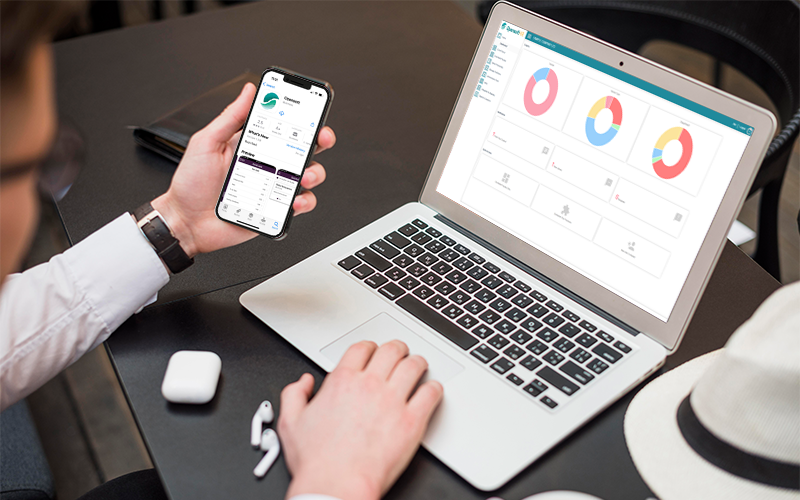 Growth should not force your HR team to become better at chasing spreadsheets. If these signs are familiar, identify where information is fragmented, which approvals create delays and which routine questions consume the most time. Then prioritise the workflows that will benefit most from automation.
OpenSoftHR brings payroll, leave, claims, attendance, employee records and related HR activities into one connected environment. Reach out to us to see how OpenSoftHR can reduce repeated HR checks and give your team clearer visibility over day-to-day HR activity as your SME grows.