Home
Home

Key Takeaways
- Centralise availability, assignments, and changes so every manager works from the same roster.
- Review workload, skills, rest, and location needs before assigning shifts.
- Give HR a cross-site view of staffing gaps without taking over roster decisions.
- Connect planned shifts with attendance and employee records to respond faster to change.
Introduction
Shift planning becomes harder when employees move across outlets, worksites, departments, or project teams. Separate spreadsheets, messages, and absence updates can quickly create confusion. For Singapore SMEs in construction, marine, engineering, and similar operations, the shift planning process must account for staff availability, prevent conflicting assignments, maintain coverage, and keep teams aligned each day.
Why Multi-Site Teams Face More Shift Planning Confusion
Spreadsheet rosters often fail as teams grow because version control breaks down. One manager updates Tuesday’s roster, another uses Monday’s copy, and employees receive changes through separate chats. That creates duplicate assignments, missed updates, and slower approvals. We recommend treating the roster as a shared operational record, not a file owned by one location.
Start by mapping what each site needs. Review workload, required skills, operating hours, busy periods, approved leave, training, and project demands. Set a minimum staffing requirement before allocating names. This helps you schedule from demand and exposes repeated late shifts, short turnarounds, or over-reliance on the same employees before publication.
How Staff Availability Becomes Harder to Coordinate Across Locations
Availability gets complicated when one employee supports several teams. A supervisor may see that person as free without knowing another manager has already assigned them. A stronger shift planning process uses one consistent availability record before assignments are confirmed. Check leave, training, rest periods, skills, and current location before approving a move. Effective employee deployment means filling a gap without creating another elsewhere.
Why Shared Roster Access Reduces Last-Minute Changes
Last-minute changes often happen because information arrives too late. When each location sees only its own schedule, one manager may discover a shortage after another team has committed the available staff. Shared roster visibility lets managers see confirmed assignments, open requirements, and pending changes earlier. For swaps, use a clear protocol: record the absence, identify qualified replacements, check downstream gaps, obtain approval, update the central roster, and notify everyone affected.
How HR Can Track Staffing Across Work Locations
HR needs enough visibility to spot imbalance without becoming the dispatcher for every shift. We recommend a cross-site view showing required headcount, assigned headcount, vacancies, leave, and unresolved changes. This gives HR a practical view of manpower coverage while managers retain responsibility for their teams. For rotating crews, it can reveal when important skills are concentrated at one worksite while another needs them.
How Clearer Shift Planning Supports Consistency Across Teams
Consistency does not mean every department schedules identically. It means teams follow the same rules for submitting availability, approving swaps, recording changes, and publishing final shifts. A dependable shift planning process should define who can edit rosters, when schedules are confirmed, how emergency changes are escalated, and where employees check updates. Standardising these steps reduces follow-ups while preserving local flexibility.
Singapore employers should also build statutory checks into roster rules rather than reviewing compliance afterwards. For employees covered under Part 4 of the Employment Act, Ministry of Manpower guidelines set clear limits on working hours, overtime, and weekly rest days. Managers should confirm which employees are covered and review the applicable rules before approving extended hours or repeated schedule changes.
How Connected HRMS Data Makes Shift Planning Easier to Manage
Planning improves when roster data does not sit alone. A scheduled shift shows where someone should be; attendance shows what happened. Connecting an attendance management system with employee records can reduce manual comparisons. An employee self-service portal system can give employees direct access to leave requests, payslips, and personal information updates, reducing routine HR follow-ups and keeping common employee actions in one place. Within one HR system, these records support cleaner follow-up across payroll, attendance, employee management, and rostering.
Why Reliable Scheduling Improves Employee Communication
Employees should not have to search through several chats just confirm an upcoming shift. A reliable shift planning process creates one source of truth for published shifts and approved changes. When something changes, communicate the revised location, start time, reporting instructions, and effective date. For sudden absenteeism, define who reports it, finds coverage, approves the replacement, and updates the roster. Clear ownership prevents unanswered messages.
How the PSG Grant Supports SMEs Upgrading Shift Management
For SMEs moving away from fragmented spreadsheets, the Productivity Solutions Grant can reduce eligible digitalisation costs. Enterprise Singapore states that local SMEs can receive up to 50% support for eligible PSG costs. Businesses should check eligibility criteria and confirm that their selected solution is supported before making payment or committing to a purchase. This can help operationally intensive businesses adopt workforce tools with a lower upfront cost.
How SMEs Can Keep Multi-Site Rostering More Organised
Keep the operating model simple. A reliable shift planning process should start with demand, confirm availability, assign qualified staff, check compliance and rest, publish one approved roster, then log every change in the same place. We use this sequence because it gives managers a repeatable path when pressure rises. It also makes reviews easier: you can see what was planned, what changed, who approved it, and whether attendance matched the roster.
Building a Clearer Scheduling Approach for Multi-Site Teams
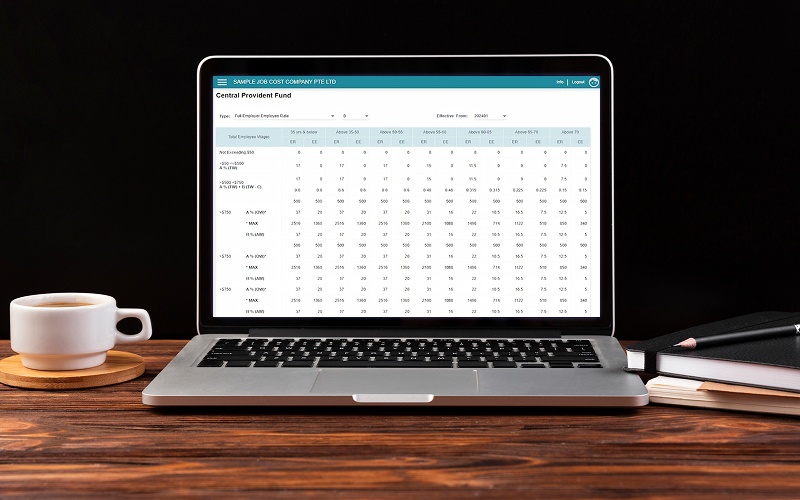
Your next step is to identify where scheduling breaks down: availability, approval, cross-site coordination, attendance reconciliation, or communication. Choose a system and workflow that removes those gaps instead of digitising the same fragmented process. With OpensoftHR, you can connect E-Roster with attendance, payroll, employee records, and other HR functions within one HRMS environment.
If you are reviewing multi-site scheduling, request a free demo to see how we can support your rostering workflow.