Home
Home

Key Takeaways
- Reliable records come first. Automation processes what it receives.
- Small errors spread. Salary, attendance, leave, claims, and department mistakes can affect several reports.
- Employee self-service helps. Personal record visibility can surface discrepancies earlier.
- Review before you rely. Regular checks reduce corrections before payroll and reporting cut-offs.
Introduction
For Singapore SMEs, automation can reduce repetitive checks, speed up reporting, and free lean HR teams for higher-value work. But HR data accuracy has to come first. If salary details, attendance entries, leave records, claims, or reporting lines are wrong, automation carries those errors forward. We treat well-maintained data as the foundation for dependable payroll and workforce reports.
Why Automation Depends on Reliable HR Data
Automation follows rules based on available information. Human resources management software can calculate, organise, and report quickly, but it may not know that an employee changed teams or a salary revision was never entered. Maintaining HR data accuracy gives those workflows more dependable inputs, reducing exceptions and unnecessary verification.
Singapore employers have record-keeping responsibilities. The Ministry of Manpower’s employment record requirements cover information such as salary, allowances, deductions, working hours, and leave. Keeping them current supports smoother payroll administration and employment documentation.
How Incorrect Employee Records Affect Payroll and Reports
Employee records feed many HR processes. A wrong salary can affect pay. An outdated employment status can keep a former employee in headcount figures. An incorrect leave entitlement can create questions later. We watch employee data quality closely because one inaccurate field can influence several outputs. For businesses employing foreign workers, work pass details, levy information, and validity dates also need timely maintenance.
Why Outdated Department and Role Details Create Reporting Gaps
Department, job title, manager, and reporting-line data may look administrative, yet management uses them to interpret payroll cost and manpower allocation. If an employee moves teams but the record stays unchanged, costs may remain attributed to the old department. HR data accuracy helps reports reflect the organisation you have today, which matters when reviewing headcount, budgets, capacity, and hiring needs.
How Attendance and Leave Errors Affect Automated Payroll Outputs
Attendance and leave can influence payable hours, overtime, unpaid leave, and payroll exceptions. Missing clock-ins or late approvals may flow into payroll unnoticed. An attendance management system can centralise these records, but payroll data accuracy still depends on correct entries and timely review. For shift, site, or variable-hour teams, discrepancies can accumulate quickly, so we recommend clearing exceptions before payroll cut-off.
Why Claims and Payroll-Related Records Need Reliable Data
Claims create another set of dependencies. A duplicate submission, wrong category, missing document, or outdated approval status can affect reimbursements and cost reporting. When a payroll management system receives incomplete claim information, HR or finance may still need to trace the transaction manually. Well-maintained records improve visibility and reduce time spent comparing emails, spreadsheets, screenshots, or separate approval trails.
How Reliable HR Data Supports Better Workforce Insights
Good workforce reporting should help you understand what is changing in the business, not make you question the numbers first. Headcount, payroll cost, overtime, leave usage, attendance patterns, claims, and department movement all rely on dependable source records. Once those records are maintained consistently, HR can focus on interpreting trends instead of validating basic figures. That is when automation becomes a management tool, not merely a faster report generator.
Why Poor Data Creates More Manual Work After Automation
Poor data can produce an awkward result: reports arrive faster, but checking remains. Your team may still compare rows against spreadsheets, correct payroll items, or explain mismatches to employees and managers. For lean SMEs, that defeats much of the intended efficiency. Improving HR data accuracy makes automation more useful in practice because it reduces avoidable corrections after processing. The aim is not just speed, but outputs your team can use with confidence.
How AIME Supports Data Quality Through Employee Self-Service
One common source of errors is the handoff between employees and HR. Someone changes a bank account, address, or emergency contact, sends the update, and waits for HR to enter it. Each handoff creates room for delay or transcription mistakes. OpenSoftHR’s AIME, an AI-powered HR assistant within Employee Self-Service, lets employees view and update certain personal records directly. They can also check attendance history, leave balances, and payslip details, giving employees a direct checkpoint before payroll is processed.
When employees can verify their information, HR does not have to be the only checkpoint for every personal detail. For SMEs using OpenSoftHR, AIME can shift routine verification closer to employees, reducing re-entry and making changes more visible. That leaves HR less dependent on scattered messages or manual follow-up when resolving discrepancies.
What SMEs Should Review Before Relying on Automated HR Reports
Before relying on automated reports, review the records that feed them: employee names, departments, roles, reporting lines, employment status, salary details, attendance, leave balances, claims, and payroll information. HR data accuracy does not require a complicated weekly audit. It requires clear ownership, timely updates, and sensible checks before payroll or reporting cut-offs. We recommend identifying which fields change most often, who owns each update, and when it should be verified.
A practical review can stay simple. Confirm new joiners and leavers. Check salary or role changes against approved records. Clear attendance exceptions. Review outstanding leave and claim statuses. Make sure department movements are reflected before reports are generated. Well-maintained source records mean less time explaining why figures disagree, especially when managers need quick answers, and HR is balancing payroll, employee questions, and daily administration.
Building Automation on Cleaner HR Data
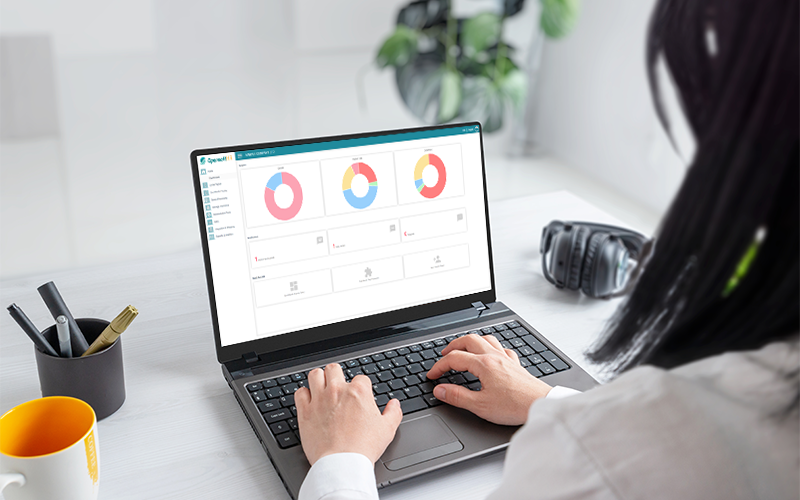 If you are planning to automate more HR work, start by making the underlying records dependable. OpenSoftHR brings payroll, leave, claims, attendance, employee records, and related HR processes into one HRMS environment, giving SMEs a connected way to manage the information automation depends on. We can help you identify where data handoffs create unnecessary checks and structure your setup around more dependable payroll and reporting.
Reach out to us for a one-on-one, non-obligatory review of your HR workflow and practical next steps.