Home
Home

Key Takeaways
- Earlier scheduling helps businesses prevent unnecessary overtime and last-minute staffing changes.
- Matching workforce levels to actual demand reduces the cost impact of both overstaffing and understaffing.
- Comparing expected hours with actual time records supports more accurate payroll reviews.
- Connected workforce data gives HR teams and SME owners clearer control over labour spending.
Introduction
Labour costs become harder to manage when shifts are prepared late or without a clear view of manpower needs. For Singapore SMEs, these gaps can lead to overtime, understaffing, unnecessary overlap, and last-minute changes that affect operations and payroll. Shift roster planning gives managers an earlier opportunity to decide how many employees are needed, when they are needed, and which roles must be covered. Instead of treating the roster as an administrative task, businesses can use it to control planned hours before they become payroll costs.
Why Poor Roster Planning Can Increase Labour Costs
A roster can appear complete while still assigning too many paid hours to quiet periods or leaving important roles uncovered during peak demand. When managers schedule employees without considering workload, availability, role requirements, or operating patterns, the business may pay for hours it does not need and then incur extra costs to fill later gaps. For SMEs with lean teams, overtime, extended shifts, and urgent replacements can quickly add up. Shift roster planning helps managers correct these imbalances before the schedule is published, keeping avoidable costs out of the pay cycle.
How Overstaffing and Understaffing Affect Daily Operations
Overstaffing means the business is paying for more labour than the workload requires. Understaffing may cause delays, rushed work, service issues, or longer hours for employees on duty. The aim is not to reduce staffing across every shift, but to match coverage to genuine demand. Better employee scheduling allows managers to consider customer volume, production requirements, opening hours, and essential roles. Accurate staffing decisions help SMEs maintain service standards without carrying unnecessary labour costs.
Why Shift Visibility Matters Before Manpower Costs Rise
Managers need to see more than names and working hours. Clear visibility should show who is assigned, which roles are covered, and how long each employee is scheduled to work. It should also flag shifts that may create excessive hours. This allows managers to spot uneven workloads, recurring shortages, and repeated overstaffing before they become routine. Stronger manpower planning supports balanced decisions across teams, locations, or operating periods, giving managers time to revise coverage before gaps affect service or payroll.
How Planned Rosters Help Managers Allocate Staff More Efficiently
Planned rosters give managers a stronger basis for deciding where each employee is most needed. They can review workload, approved leave, rest periods, availability, and role requirements before confirming the schedule. This is especially useful for SMEs, where one absence or unsuitable allocation can affect several functions. More organised roster management reduces unnecessary overlap and repeated schedule changes. When employees receive clearer schedules in advance, managers spend less time resolving availability questions, correcting misunderstandings, and finding last-minute cover.
How Roster Data Supports Attendance and Payroll Accuracy
Roster data is most useful when compared with actual attendance. The roster records the hours an employee was expected to work, while an attendance management system records arrivals, departures, absences, and overtime. Reviewing both sets of information helps HR teams determine whether a payroll adjustment relates to an approved change, lateness, an early clock-out, or extra work. OpensoftHR’s E-Roster and E-Time & Attendance solutions support a clearer connection between scheduled hours and actual hours worked, reducing manual checks and supporting more accurate payroll reviews.
How Shift Roster Planning Makes Overtime Easier to Manage
Overtime becomes harder to control when it is reviewed only after employees have worked the additional hours. At that stage, HR may understand the payroll impact, but the business can no longer avoid that cost.
Shift roster planning allows managers to identify overtime risks before employees work the extra hours. Recurring shortages and repeated long shifts assigned to one employee become easier to spot. Managers can then redistribute hours, arrange approved cover, or adjust the shift structure before overtime becomes routine. This keeps the focus on prevention through scheduling rather than correction after payroll processing.
How SMEs Can Use Roster Planning to Manage Labour Costs More Predictably
Predictable labour costs begin with a clearer view of planned hours. SMEs can compare each roster against expected demand and review whether particular operating periods or functions regularly require extra manpower. Historical attendance and payroll records can also show where additional hours tend to occur. Managers can then compare planned hours with recent attendance patterns and recurring overtime from similar periods. This comparison supports more informed budgeting and reduces the risk of discovering labour-cost problems only after the pay period has ended.
How Connected HRMS Data Makes Roster Planning Simpler
Roster planning becomes more difficult when schedules, attendance records, payroll adjustments, and employee information are stored in separate files or platforms. A connected HR system gives HR teams and SME owners a consistent view of planned shifts, actual hours, leave, and pay-related records.
OpensoftHR’s E-Roster supports schedule planning across employees, departments, work locations, and job roles, while our wider HRMS connects rostering with time attendance, payroll, leave, claims, and employee records. Connecting scheduled shifts with attendance and payroll records helps HR teams trace exceptions without reconciling the same information across separate files.
Conclusion: Controlling Labour Costs With Clearer Shift Roster Planning
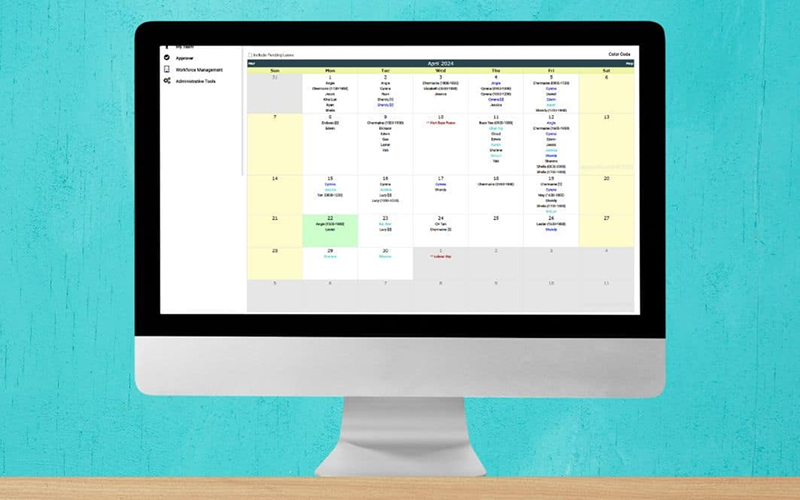
Shift roster planning helps Singapore SMEs control labour costs by making staffing needs clearer before payroll is finalised. It helps managers align staffing levels with demand and address overtime risks before they affect payroll. With OpensoftHR, businesses can manage rostering alongside time attendance, payroll, employee records, and other HR processes through our connected HRMS. This lets HR teams compare planned and actual hours, investigate attendance differences, and review overtime-related payroll adjustments without switching systems.
Request a demo to see how we can help your team plan shifts more clearly, reduce avoidable overtime, and maintain better control over manpower costs.